Fashion
Fashion
The Dangers of Fast Fashion & a Shift to Sustainable Shopping
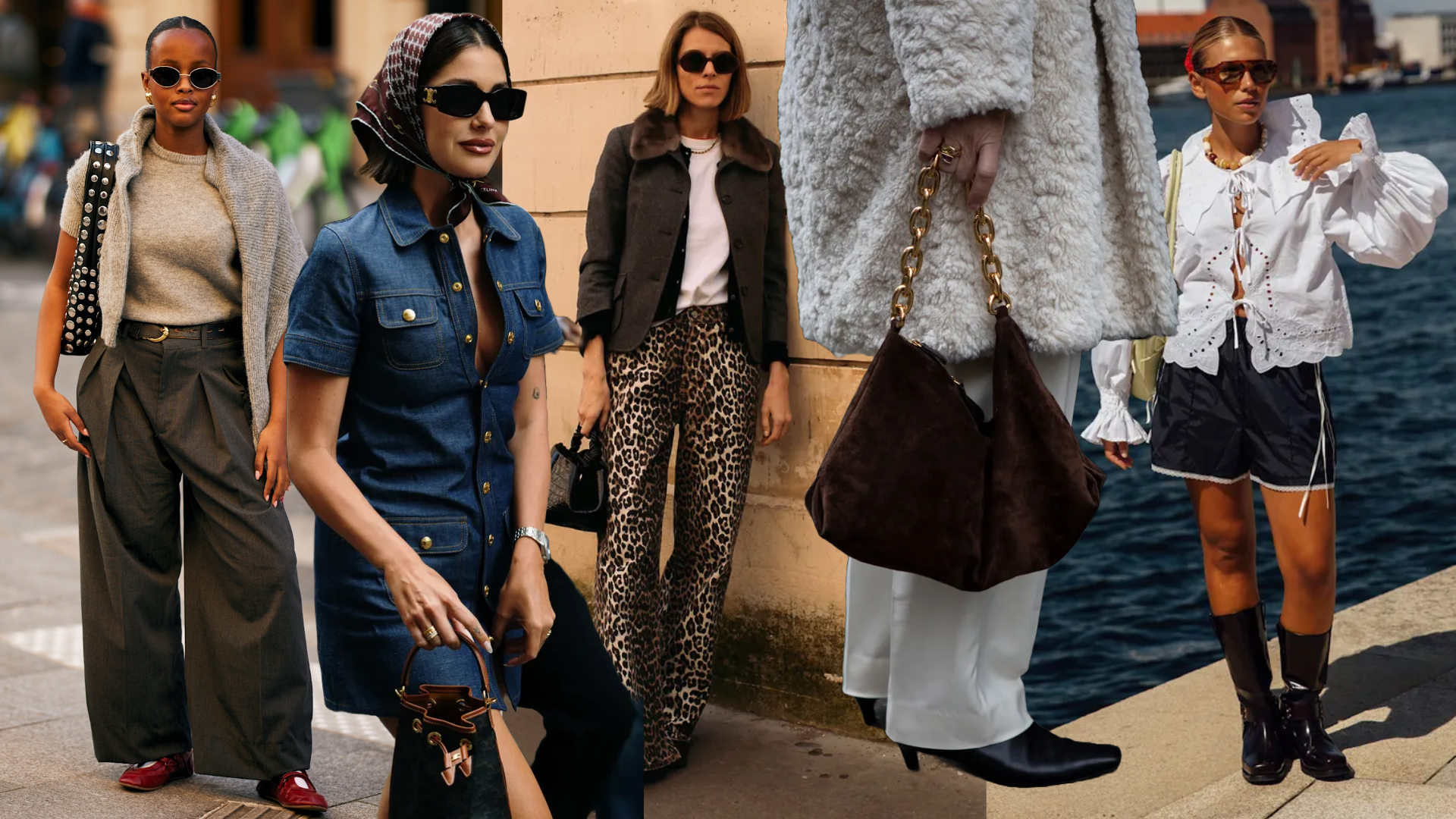
I’m sure you’ve all heard of popular brands such as Shein, Zara, or H&M. These, as well as many other mainstream brands, are known for producing on-trend clothing for an affordable cost, which sounds nice, right? I mean, everyone wants to keep up with the trends without breaking their bank account. The term that all of these popular brands fall under is called “fast fashion”. The dictionary defines fast fashion as, “inexpensive clothing produced rapidly by mass-market retailers in response to the latest trends”. While this all seems like a good deal, there is a darker underbelly to fast fashion brands that does not always meet the eye. Fast fashion brands have been reported to mistreat their employees, contribute to environmental issues, and the clothing often goes out of trend quickly or is made from poor quality material, which makes them prone to not lasting long. Therefore, it is more ethical, sustainable, and cost-effective to shop from brands that don’t fall under the category of fast fashion.
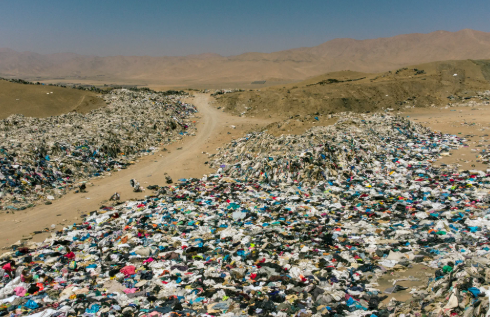
While fast fashion makes the cost of clothing more affordable, is it really worth the cost of our environment? Globally, there has been a huge push to curb the effects of pollution and global warming through solutions such as recycling, using more sustainable sources of energy, etc. However, many people are unaware that the clothes that are most commonly bought are partially to blame for this environmental crisis. Borgen Magazine reports that, “Fast fashion accounts for 10% of all carbon emissions in the world and is the second largest industry when it comes to pollution behind the oil industry.” Not only is fast fashion adding to carbon emissions, but according to Princeton University, part of the reason that the clothing is so cheap is because the companies use cheap fibers such as polyester and plastics, which release more carbon emissions than cotton. Additionally, since the clothing is made from such cheap materials, they are often not in good enough condition to sell or donate, and are almost impossible to recycle, causing many of them to end up in landfills. These brands also tend to focus on micro-trends, which are trends that have a quick rise and fall, meaning that many of the clothing items go out of style in as short as a few weeks. This causes many people to throw the clothing away not long after purchasing, many of which end up in landfills. Columbia University claims that, “If sent to a landfill, clothes made from natural fabrics like cotton and linen may degrade in weeks to months, but synthetic fabrics can take up to 200 years to break down. And as they do, they produce methane, a powerful global warming greenhouse gas.” On top of that, since the brands have made the clothing so affordable, many buy their clothing in bulk, causing a huge spike in the consumption of this clothing, which may benefit the economy and your wallet, but at the expense of our environment.
In addition to the fact that fast fashion leads to exponential damage to our environment, it is also not ethically sound. Many fast fashion corporations will hire employees overseas where labor laws are more lenient to save money on production costs. The lack of strict standards in their overseas factories has led to companies not being held accountable for things like underpayment, child labor, and unsafe work environments. Columbia University found that, “Of the 75 million factory workers around the world, it’s estimated that only two percent earn a living wage.” Not only are the workers hardly being paid, but they are often forced to work unreasonable hours. Sustainable fashion initiative, Sustain Your Style, reported, “Garment workers are often forced to work 14 to 16 hours a day, 7 days a week. During peak season, they may work until 2 or 3 am to meet the fashion brand's deadline.” In these factories, it is not uncommon that workers are also working with “[...] no ventilation, breathing in toxic substances, inhaling fiber dust or blasted sand in unsafe buildings. Accidents, fires, injuries, and disease are very frequent occurrences on textile production sites.” Additionally, many of the people who are working in these conditions are children, because the job requires minimal skills, and the countries that manufacture these clothes do not have strict policies against child labor . These practices are another reason why fast fashion brands can sell their clothes for so little cost; the brands are underpaying their workers and not using money to ensure their safety, which allows them to make clothes quickly with minimal cost to the company.
Since so many of today’s popular brands can be categorized as fast fashion, it can be hard to avoid shopping from them, and they are tempting when trying to keep your wardrobe stocked with the latest fashion, especially on a budget. To curb the damage of fast fashion on both the environment and its workers, try looking for brands that prioritize sustainability, shopping for quality rather than quantity, being intentional about purchases, paying attention to what the clothing is made of, and opt for natural fibers or single fiber materials. Taking care of your clothing can prolong its wearability, so there is not as much need to buy more, which keeps it out of landfills. To limit waste and the consumption of fast fashion brands, upcycling, reselling, or giving your clothing to charity can help. Alternatively, if you are looking to purchase clothes, buying second-hand is a good alternative to buying from fast fashion brands. There are plenty of high-quality second-hand services, such as vintage or thrift stores, online sites that allow you to buy and sell clothing second-hand, as well as resources that allow people to rent clothes.
One of my favorite ways to shop sustainably is to go to vintage or antique shops. There are also often pop-up markets that focus on vintage and antique pieces, which can be a fun way to spend the day while also shopping sustainably. Vintage clothes often last longer as they were made with thicker, better-quality fabrics and materials. In the past few decades, the fashion industry has made a huge shift from making clothes that are built with craftsmanship and longevity in mind, to clothes that are made to keep up with the latest trends, which often sacrifices quality materials and time put into making the product for low cost and quick production. Several factors contribute to this shift, a large one being social media speeding up the trend cycle and making it difficult for brands to stay ‘relevant’ and on top of trends as they change within a few weeks. Because vintage and antique clothing was focused on craftsmanship and lasting longer, they are also usually preserved in better condition, causing them to be re-sold and re-purposed easily; they were designed to be mended and stand the test of time which is why so many vintage clothes are still in great condition today while fast fashion clothes of the present fall apart after a few months. Although vintage clothing can be marked up in price, I personally do not mind splurging on vintage items that are eye-catching and unique. This also helps keep fashion sustainable, because while brands of the past also had their issues with making clothes in an environmentally friendly way, buying used, good quality, vintage clothes hinders the production of more clothes. Not to mention that vintage clothes stand out and are not only durable and good quality, but they are also unique and can help add interesting elements to your personal style.
A few other options that I like are apps where people can re-sell clothing. A few that I have used are:
- Depop (variety, easy to sell/buy, vintage and modern items)
- Poshmark (easy to buy, variety, mostly modern some vintage if you search, very affordable usually, but harder to navigate and less current)
- eBay (variety, lots of vintage items, sometimes difficult to navigate and buy)
- Vestiaire (high-end fashion, relatively easy to navigate, limited to designer/high-end)
- Etsy (handmade, sometimes higher priced, occasional vintage items, good jewelry selection)
These are easily accessible ways to shop more sustainably because it is repurposing used clothes. I also like these options because it is easy to search for specific items and allow for a lot of variety.
Regardless of how you choose to source your clothing, my personal advice would be to invest in pieces that reflect your personal style, while focusing on high-quality staple pieces, and occasionally participating in trends that really catch your eye; this allows for balance and can help decrease the consumption of fast fashion brands while prolonging the use of clothing. As for what the fashion industry can do in order to put an end to the harmful environmental and ethical issues that fast fashion brings to the table; brands should focus on being less wasteful, providing better working conditions, as well as using more natural and high-quality materials when making their products. What can we do as consumers to push brands to make the shift to more sustainable practices? Buy sustainably. The less that we engage in shopping from and supporting fast fashion brands, the more awareness it will bring to the importance of good quality, sustainable, and ethically made clothing. The less that we engage with fast fashion, the less clothing that fast fashion brands will have to manufacture. This is why sustainably and intentionally sourcing your next clothing purchases will contribute to a more sustainable future for fashion.